

A Greek fashion e-shop sources its products from 10 suppliers. Each supplier sends its own file, with its own structure. One writes "Black", another "Μαύρο", a third "BLK". One uses sizes S–XL, another 36–44. And the descriptions? Two lines in English, identical to hundreds of other e-shops.
The problem: 10 files, 10 languages
With around 1,600 products, the team spent hours every week aligning categories, sizes and colours, and writing descriptions that held up. Whatever they could not get to went live as it was. For Google, that means duplicate content. For the customer, a description that tells them nothing.
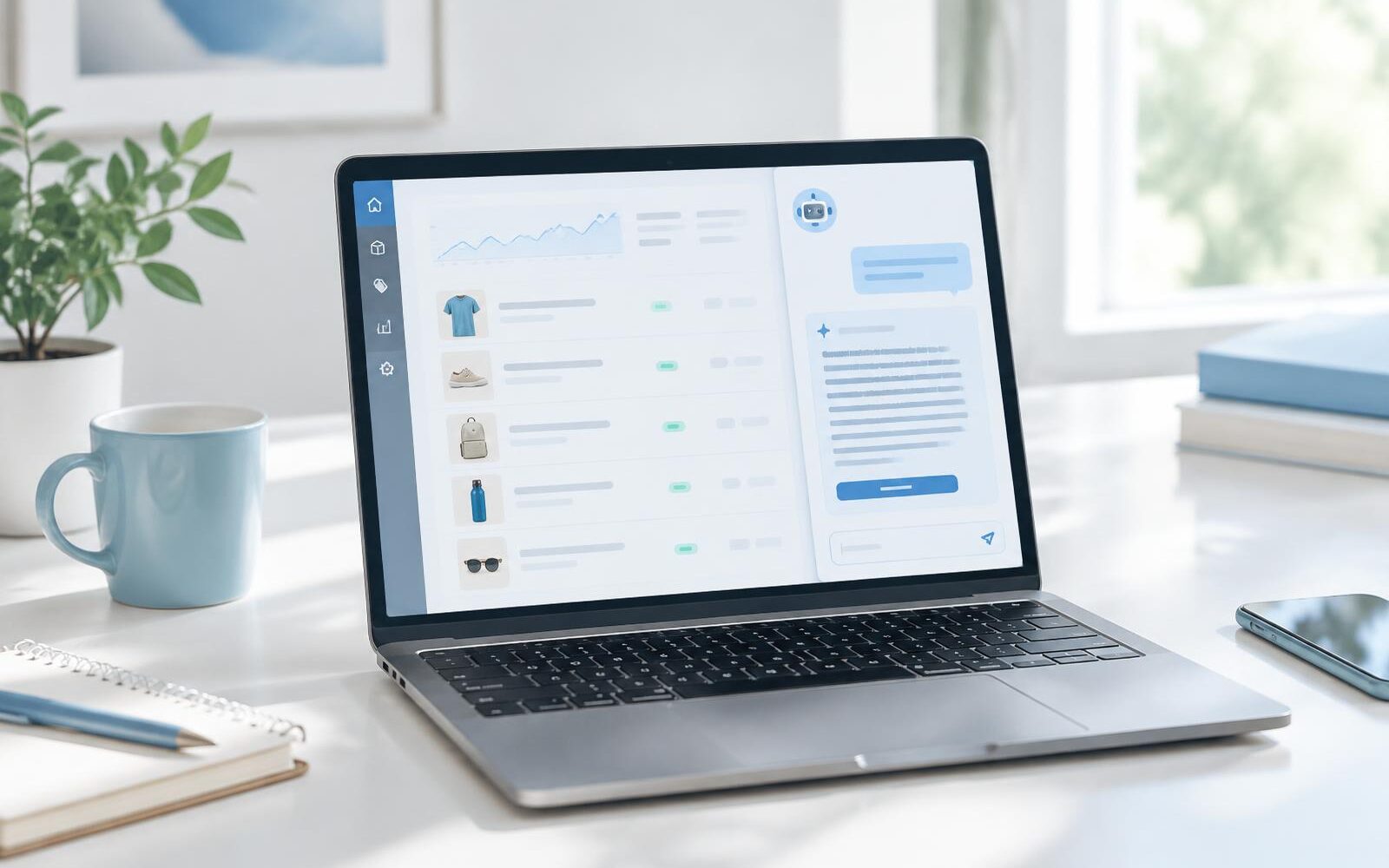
What we did with AfterFeeds
- Consolidation: AfterFeeds reads all 10 files and translates them into one common language: the same categories, the same sizes, the same colour names.
- One clean feed: the result is a single file ready to import into the e-shop, updated automatically.
- AI descriptions: for every new product, AI writes a description in Greek, in the brand's tone and ready for SEO.
- Human review: the content manager reviews, edits where needed and approves.
An example
Before (from the supplier): "Women dress viscose. Colour: black. Sizes S-XL."
After (AfterFeeds, translated from Greek): "A midi dress in soft viscose that falls lightly on the body. In black, it works for the office in the morning and for going out in the evening. Available in S to XL."
Why it matters
- Unique text on every product, so better Google rankings.
- Consistent attributes, so filters work properly.
- The team works on sales, not copy-paste.
How many of your products still carry the supplier's description? See how AfterFeeds works.